
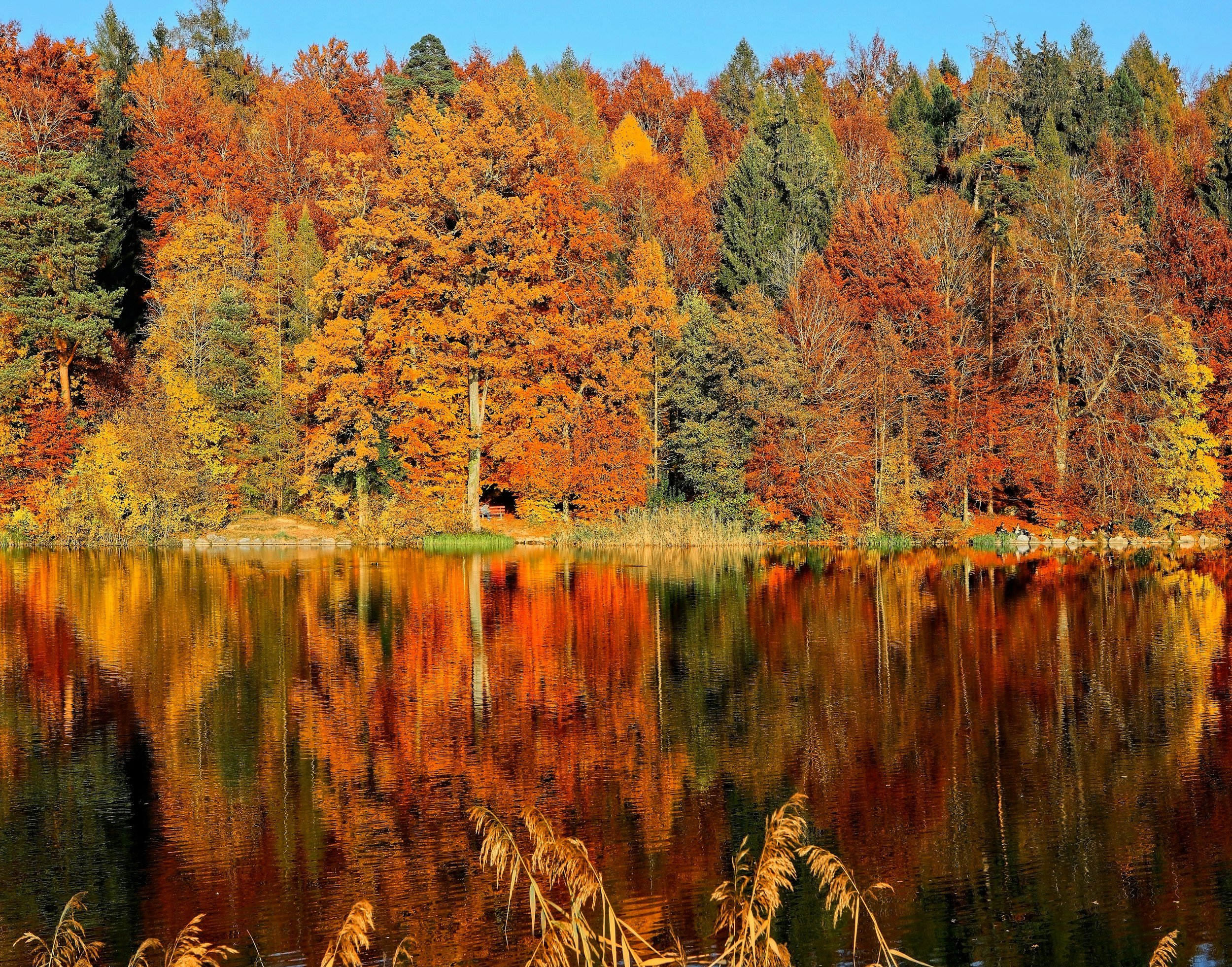
As the seasons change from summer to fall, I have been reflecting on the changes that happen within us. Change is a natural part of life. We experience it throughout childhood and adolescence, navigating new experiences, shifting identities, and navigating the many ways we come to understand ourselves. Yet somewhere along the way, we may begin to believe that once we reach adulthood, we should have it all figured out. That we should know who we are, feel secure in ourselves, and have a clear sense of where we are going.
But the truth is, we never stop growing, changing, and evolving.
Throughout childhood and adolescence, we often hear about the changes happening in our brains, bodies, and relationships. These years are widely recognized as a time of self-exploration, uncertainty, and growth. As adults, however, we are not always given the same permission to change. We may feel pressure to remain consistent, to have a clear sense of identity, or to be the same person we have always been.
Yet personal growth does not end when we reach adulthood. Our values shift, our relationships change, our experiences shape us, and we continue to discover new parts of ourselves along the way.
Sometimes this change is gradual and almost imperceptible. We move through life without noticing the small ways we are growing until one day we look back and realize just how much has changed. Other times, change is more sudden and noticeable, leaving us feeling disconnected from who we once were or uncertain about who we are becoming.
Regardless of how it unfolds, change can be challenging. It can take time to reconcile who we have been with who we are now, especially when different versions of ourselves seem to hold different values, needs, or ways of moving through the world.
Making Space for the Different Versions of Ourselves
I have been so many different versions of myself. All of them beautiful, messy, and necessary.
As we move through life, we experience new relationships, transitions, losses, joys, and opportunities for growth. Each experience shapes us in its own way. We may discover new strengths, develop different boundaries, or begin to see ourselves and the world through a new lens.
Our relationships also shape who we are. The person we are in a romantic relationship may feel different from the person we are when we are alone. We may show up differently with friends, family, or colleagues. These different expressions of ourselves are not necessarily contradictions; they are often reflections of the many parts of us that exist within different contexts.
So, how do we bring these different experiences and versions of ourselves together? How do we honour who we once were while making room for who we are becoming?
Self-Acceptance and Self-Compassion in Personal Growth
Reconciling the different versions of ourselves begins with acknowledging and accepting them. This means making space for who we were, who we are today, and who we may become in the future.
It means looking back on past versions of ourselves with compassion rather than judgment. Perhaps there are choices you would make differently now, relationships you have outgrown, or parts of yourself you no longer recognize. You may look back and wonder why you acted a certain way or stayed in a situation that no longer feels right for you.
It can be helpful to remember that you were navigating life with the understanding, resources, and experiences you had at the time.
You do not have to reject who you once were in order to embrace who you are today.
Self-acceptance allows us to recognize that growth does not mean disowning our past. Instead, it invites us to understand our experiences as part of the larger story of who we are. We can acknowledge the ways we have changed while appreciating the experiences that helped shape us.
Self-compassion also reminds us that we are allowed to evolve. We can outgrow old patterns, change our minds, discover new values, and move in a different direction. We do not have to remain the same person simply because that is who others have come to know us as.
Reconnecting With Past Versions of Yourself
Sometimes, allowing space for older versions of ourselves can be a meaningful part of healing and personal growth.
Think about the things you used to love doing. Perhaps you enjoyed dancing, creating art, baking, singing, writing, or spending time outdoors. Maybe there were hobbies, interests, or small rituals that once brought you joy but gradually fell away as life became busier or your priorities shifted.
Reconnecting with these parts of yourself does not mean you need to return to who you were. Instead, it can be an opportunity to remember and honour the experiences, interests, and qualities that have been part of your journey, and to connect with those parts of yourself again.
You might find that an activity you once loved feels different now. You may approach it with a new perspective, or you may discover that it no longer resonates with you in the same way. Either outcome is okay.
The importance lies not in the activity itself, but in creating space to reconnect with yourself. It is about remembering the different versions of you, appreciating what they brought into your life, and allowing those experiences to remain part of your story.
You are allowed to carry pieces of your past with you without needing to live there.
The Importance of Relationships That Honour Who You Are
Our relationships can also play an important role in helping us connect with the different versions of ourselves.
There can be something deeply comforting about being around people who have known us through different stages of life. These are the people who remember who we were before a significant transition, who can reflect back parts of ourselves we may have forgotten, and who can recognize our growth without asking us to remain the same.
Having relationships in which we feel seen, accepted, and understood can help strengthen our sense of self. It can be reassuring to know that we can change and grow while still being loved and valued.
Of course, not every relationship will continue alongside us through every stage of life. Some friendships evolve, some relationships come to an end, and some connections no longer reflect who we are becoming. This can bring feelings of grief, especially when those relationships hold important memories of earlier versions of ourselves.
Letting go of a relationship does not mean that the experiences you shared no longer matter. You can honour what a connection meant to you while recognizing that it may no longer have a place in your present life.
As we grow, it can be helpful to nurture relationships in which we feel free to be ourselves. This includes relationships that make room for our history, our present experiences, and the person we are still becoming.
Growing Into a Deeper Sense of Self
The older I get, the more confident I become in who I am, what my values are, and how I want to show up in the world.
For me, this has been one of the gifts of growing older: realizing that I do not need to have everything figured out to feel grounded in myself.
Developing a stronger sense of self is not about reaching a final destination where we no longer question ourselves or experience uncertainty. Rather, it is about building a relationship with ourselves that can hold change, complexity, and growth.
As we become more familiar with our values, needs, and boundaries, we may find it easier to make choices that feel aligned with who we are. We may become more comfortable with disappointing others when necessary, expressing our needs, or allowing ourselves to change our minds.
There can be a deep sense of peace in knowing that we can trust ourselves to navigate the changes that life brings. We do not have to know exactly who we will become. We can give ourselves permission to keep discovering.
Giving Yourself Permission to Keep Evolving
You are not meant to remain the same person throughout your life. You are allowed to change, to grow, to let go, and to begin again. You are allowed to look back at an earlier version of yourself with gentleness, even if you would make different choices today.
Each version of you has been part of your journey. Some versions may feel easier to embrace than others, and some may need more time, understanding, and compassion. You do not have to reconcile everything all at once.
Perhaps the invitation is simply to become curious about the person you are today, to acknowledge the person you once were, and to remain open to the person you are becoming.
You can honour your past without being defined by it. You can appreciate your growth without needing to have everything figured out. And you can continue to evolve while knowing that you are worthy of compassion and acceptance at every stage.
If you find yourself navigating a period of change, questioning your sense of self, or wanting to feel more confident and connected to who you are, counselling can offer a supportive space to explore these experiences.
If this resonates with you, I invite you to reach out for a free online consultation. Together, we can explore how to strengthen your sense of self, make space for the different parts of who you are, and support you as you continue to grow and evolve.
